Secure Your Free In-Person Estimate

How to Build Custom Cabinets: A Step-by-Step Guide for Beginners
Learning how to build custom cabinets is a rewarding skill that allows homeowners to create functional, stylish storage tailored to their exact needs. Whether you are upgrading your kitchen, bathroom, garage, or workshop, building your own cabinets gives you full control over design, materials, and quality.
While the process may seem intimidating at first, breaking it down into clear steps makes it manageable even for beginners. With the right tools, planning, and patience, anyone can succeed in building custom cabinets that look professional and last for years.
This guide walks you through everything from planning and measuring to cutting, assembling, and finishing your cabinet project.
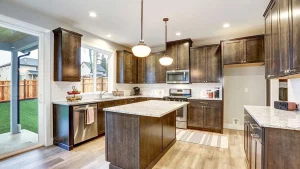
Step 1: Plan Your Custom Cabinet Design
Before you start building a custom cabinet, careful planning is essential. A well-designed cabinet ensures proper fit, functionality, and aesthetics.
Start by deciding:
- Where the cabinet will be installed
- What items it will store
- Desired height, width, and depth
- Style (modern, traditional, shaker, etc.)
- Door and shelf configuration
If you are working on building custom kitchen cabinets, consider appliance spacing, countertop height, and kitchen workflow. Planning ahead helps avoid costly mistakes later.
Sketch your design on paper or use simple design software to visualize the final result.
Step 2: Take Accurate Measurements
Accurate measurements are critical when learning how to build custom cabinets. Even small errors can affect fit and alignment.
Measure:
- Wall height and width
- Floor level (check for uneven surfaces)
- Available depth space
- Clearance for doors and drawers
Always measure twice to confirm accuracy. Label your measurements clearly in your design plan.
Step 3: Choose the Right Materials
Selecting quality materials is key to durable and long-lasting cabinets. Most custom cabinet builders use a combination of plywood, MDF, or solid wood.
Common material choices include:
- Plywood: Strong, durable, and resistant to warping—ideal for cabinet boxes.
- MDF (Medium-Density Fiberboard): Smooth surface, great for painted finishes.
- Solid Wood: Premium option with natural beauty, but more expensive and harder to work with.
Also choose:
- Cabinet hardware (hinges, handles, drawer slides)
- Wood glue and fasteners
- Edge banding for clean finishes
The right materials ensure your building custom kitchen cabinets project looks professional and holds up over time.
Step 4: Gather Essential Tools
Before starting construction, gather all necessary tools. Having everything ready will make the process smoother and safer.
Basic tools include:
- Circular saw or table saw
- Power drill
- Measuring tape
- Carpenter’s square
- Clamps
- Screwdrivers
- Sandpaper or sander
- Level
These tools are essential for anyone learning how to build custom cabinets at home.
Step 5: Cut the Cabinet Components
Once your design is finalized and materials are ready, begin cutting the cabinet parts.
Typical cabinet components include:
- Side panels
- Top and bottom panels
- Back panel
- Shelves
- Door panels
- Drawer parts
Use precise measurements and straight cuts to ensure everything fits properly. A table saw is ideal for accuracy, but a circular saw with a guide can also work.
This stage is a major part of building a custom cabinet, so take your time and double-check every cut.
Step 6: Assemble the Cabinet Box
The cabinet box forms the structure of your project. This step requires patience and precision.
Start by:
- Attaching side panels to the bottom panel
- Securing the top panel
- Adding the back panel for stability
- Using wood glue and screws for strong joints
Clamp the pieces together while drying to ensure tight, even connections.
A strong cabinet box is essential for any successful custom cabinet builder project.
Step 7: Install Shelves, Drawers, and Supports
After assembling the main structure, add internal components.
For shelves:
- Use shelf pins or fixed supports
- Ensure even spacing for stability
For drawers:
- Install drawer slides accurately
- Test movement before final tightening
These features improve functionality and help maximize storage space when building custom cabinets.
Step 8: Attach Cabinet Doors
Cabinet doors are one of the most visible parts of your project, so alignment is important.
Install doors by:
- Attaching hinges to the door first
- Aligning doors with cabinet frame
- Adjusting gaps for even spacing
- Testing opening and closing motion
Proper alignment ensures a professional finish when building custom kitchen cabinets.
Step 9: Sand and Finish the Surface
Sanding smooths out rough edges and prepares the cabinet for finishing.
Steps include:
- Sand all surfaces evenly
- Fill gaps or holes with wood filler
- Apply primer if painting
- Add stain, paint, or sealant
Finishing protects the wood and enhances the appearance of your building custom cabinets project.
Step 10: Install the Cabinet
Once fully assembled and finished, install the cabinet in its final location.
Make sure to:
- Level the cabinet properly
- Secure it to wall studs for stability
- Check door alignment after installation
- Adjust as needed for a perfect fit
Proper installation ensures safety and long-term durability.
Common Mistakes to Avoid
Beginners often make mistakes when learning how to build custom cabinets. Avoid these issues:
- Incorrect measurements
- Using low-quality materials
- Skipping pre-drilling holes
- Poor alignment of doors and drawers
- Rushing the sanding and finishing process
Taking your time leads to better results and fewer repairs later.
Tips for Beginners
Here are some helpful tips for success:
- Start with a simple cabinet design
- Label every part before assembly
- Dry-fit pieces before final assembly
- Use clamps for better accuracy
- Watch tutorials or consult a custom cabinet builder for guidance
Practice improves skill, so don’t be afraid to start small.
Why Build Custom Cabinets?
There are many benefits to learning how to build custom cabinets:
- Full design control
- Perfect fit for your space
- Cost savings compared to store-bought cabinets
- Higher quality craftsmanship
- Personal satisfaction and creativity
Final Thoughts
Building custom cabinets may seem complex, but with proper planning and step-by-step execution, even beginners can achieve professional results. From measuring and cutting to assembly and finishing, every stage plays a role in creating durable and attractive storage solutions.
By following this guide on how to build custom cabinets, you can confidently take on your first project and develop valuable woodworking skills. Whether you are focused on building custom kitchen cabinets or general home storage, patience and attention to detail are the keys to success.